
Developer Career Paths Explained: Risk, Pay & Lifestyle

Picking the wrong dev career path costs you years of salary and freedom.
Most developers just take the first fulltime job they find and never question if there’s a better path for them.
I’ve worked across almost every path on the spectrum.
Onsite. Remote. Contractor. Startups. Enterprises. Outstaff.
And here’s what I learned:
The path you choose doesn’t just affect your paycheck.
It affects how protected you are from layoffs, how fast your skills grow and whether you ever reach $200–300k or beyond.
Let’s break down all 6 career paths and their tradeoffs, lifestyle differences and which one fits where you actually are right now.
1. The Safest Route: Fullstack & Onsite
The career path of a software engineer exists on a wide spectrum of risk and reward.
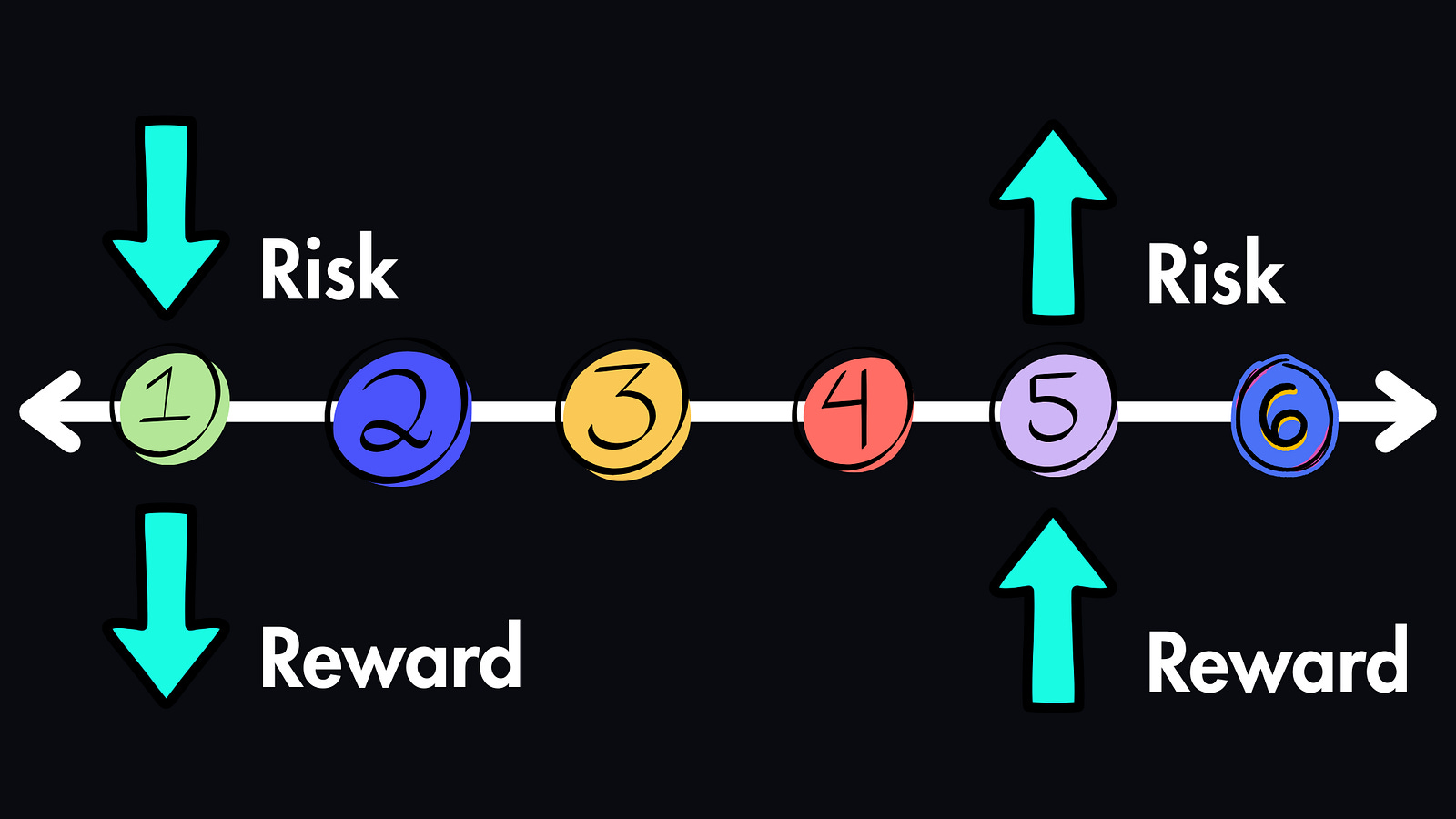
On the far left side of this spectrum sits the most common and arguably the safest option available today.
Fulltime onsite roles at major tech companies or local firms provide a massive layer of security. Because management physically sees you at your desk writing code and attending meetings, they develop an innate trust in your output.
If your performance ever drops, they are much more likely to pull you aside for a coaching conversation rather than immediately terminating your employment. Your job is incredibly secure as long as you keep your skills reasonably sharp.
Earning a six-figure salary is highly achievable once you reach a mid to senior level, and in certain tech hubs, even junior developers can cross this threshold.
2. Fulltime Remote
Moving slightly to the right on the risk spectrum brings us to full-time remote roles. This path unlocks true geographical arbitrage.
You can live in a region with an incredibly low cost of living while earning a premium salary from a company based in the United States or Western Europe. The lifestyle upgrade is immediate and profound.
However, this freedom comes at a tangible cost to your job security. When economic conditions tighten and corporations decide to execute mass layoffs, remote employees are almost always the first group on the chopping block.
You are disconnected from the physical office politics, making you an easier line item to cut. You are essentially trading ultimate corporate safety for absolute personal freedom.
But once again, if you maintain elite engineering skills, you insulate yourself from the worst of these corporate risks.
3. The Contractor Advantage
Right in the middle of the risk and reward spectrum lies contracting. This has been my personal strategy of choice over the last few years.
Instead of hunting for direct employment, you partner with an intermediary agency that constantly sources fresh clients. You remain fully remote but you completely eliminate the exhausting process of doing your own sales and marketing.
The true superpower of contracting is the ability to stack multiple projects simultaneously. You can sign contracts with two or three different clients at the exact same time, effectively doubling or tripling your annual income in a matter of months.
These contracts typically run on fixed timelines, such as six months at a time. Having a hard deadline constantly approaching forces you to keep your technical skills incredibly sharp.
You never have the luxury of getting lazy because you know you must be interview-ready the moment your current contract expires. I once pushed this to the absolute limit by taking on three simultaneous projects.
I was grinding for up to twelve hours a day and nearly reached the point of total burnout. However, I managed to condense an entire year of standard salary into a brutal three-month sprint.
I originally planned to take nine full months off just to recover. But the incredible network you build with agency founders makes long-term unemployment nearly impossible.
Within four weeks, a founder was begging me to take a new project because they lacked qualified talent. I threw out a wildly inflated rate simply because I did not want to work, and they accepted it immediately.
The leverage you gain in this position is unmatched.
4. Freelancing
Moving to the far right side of the spectrum takes you out of pure engineering and plunges you straight into entrepreneurship. Freelancing is the first step into this high-risk zone.
You are no longer just writing code. You are suddenly responsible for lead generation, cold email outreach, client negotiations, and closing sales.
This path is realistically only suited for two extremes. It works perfectly for absolute beginners who have zero risk and desperately need immediate cash flow to survive.
It also works beautifully for elite multi-six-figure engineers who want to transition into high-ticket consulting. But for the average mid-level developer, it is a nightmare of hunting for cheap clients on crowded platforms like Upwork or Fiverr.
5. Agency or Service provider
If you want to push the boundaries even further, you can become a direct service provider. This involves registering a formal LLC, securing large client contracts, and hiring an entire team of junior developers to execute the actual coding beneath you.
You transition from a builder into a manager of builders. This is the definitive blueprint for scaling a six-figure income into a seven-figure business.
6. Building your SaaS
The absolute peak of the risk spectrum is building your own SaaS application. You engineer a highly scalable product and attempt to sell it to thousands of recurring users.
The financial upside is technically infinite, but the failure rate is brutal. You should aggressively avoid building a SaaS until your primary career path is already generating well over 200k a year in stable income.
You need massive personal cash flow to survive the inherent risks of building a product from scratch.
Want to go deeper? I cover this topic with more context, examples and real-world detail in the video below 👇